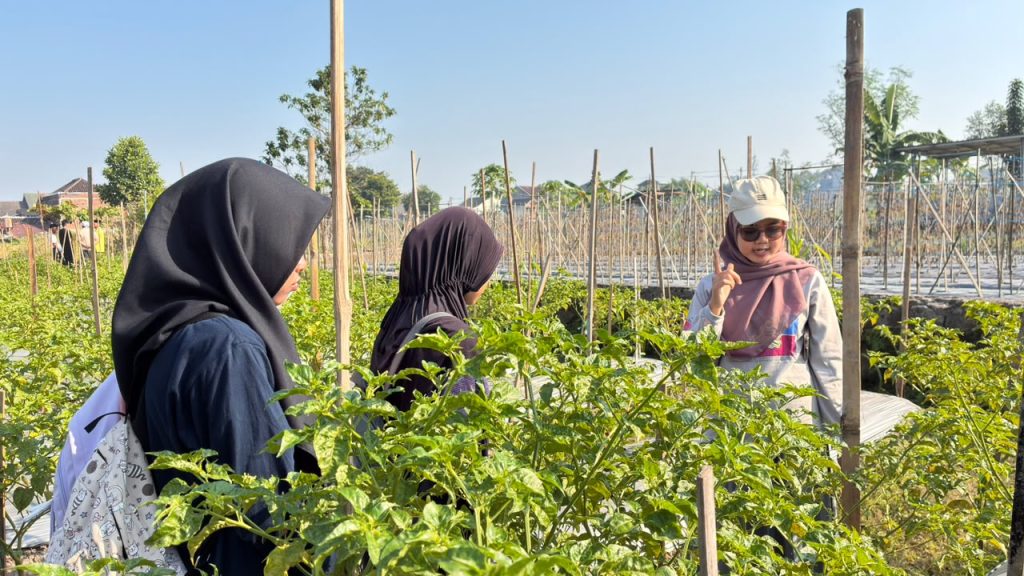
MADIPO Turns Chili Farming Into a Living Laboratory for Educational Innovation
YOGYAKARTA — What began as a chili cultivation project has evolved into a practical learning initiative at Madrasah Aliyah Diponegoro Yogyakarta (MADIPO), where agricultural production is being integrated with scientific inquiry, entrepreneurship and institutional development.
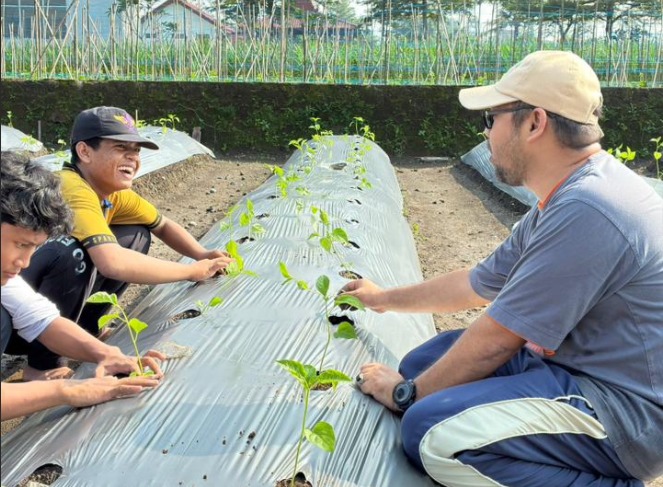
Launched on May 15, 2026, the initiative involved 1,200 chili seedlings planted across a 750-square-meter plot managed by MADIPO’s Science and Entrepreneurship Laboratory. Its first production cycle yielded 100 kilograms of chilies, with the entire harvest absorbed by the market.
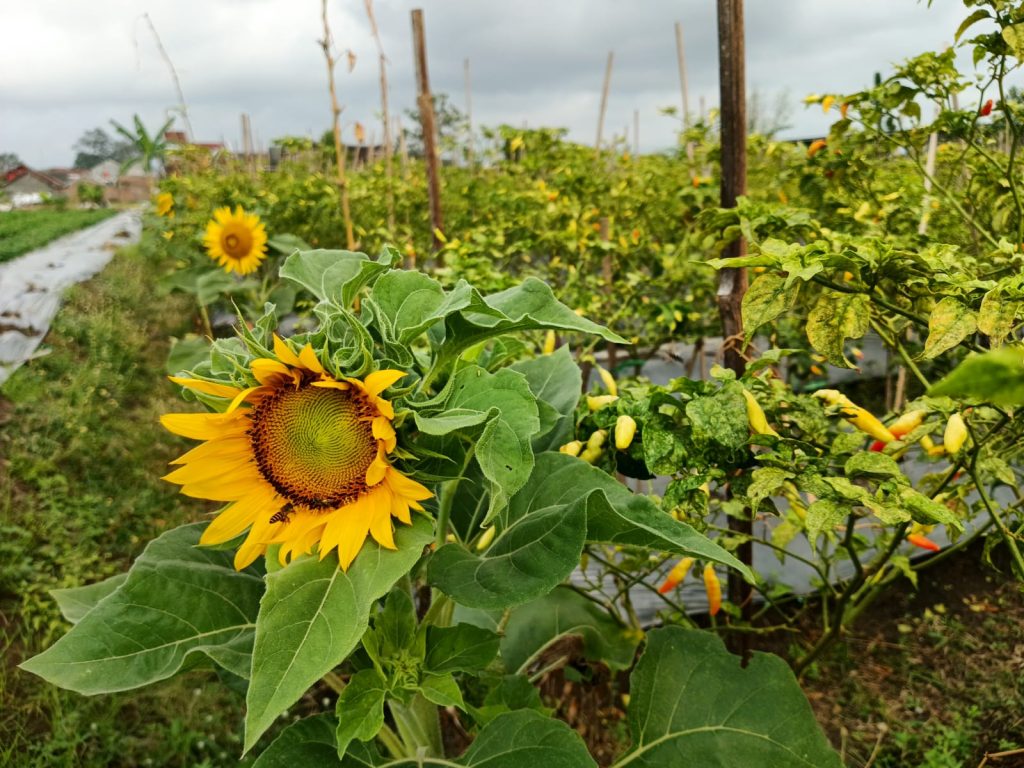
In November 2026, the project entered its second production phase. The plants are currently flowering and beginning to develop young fruit, while maintenance and cultivation management continue.
Rather than treating the second cycle as a routine continuation, MADIPO is using it as an opportunity to assess the sustainability and productivity of its cultivation model. The central question is whether improved management can maintain or increase yields compared with the first harvest.
The ongoing process also provides an opportunity to examine several factors, including plant maintenance, growing conditions, environmental influences and cultivation practices. Systematic observation and documentation will serve as the basis for evaluating performance and identifying areas for improvement.
For MADIPO, the initiative goes beyond agricultural output. It represents an effort to bring education closer to real-world challenges by connecting scientific knowledge with practical experience.
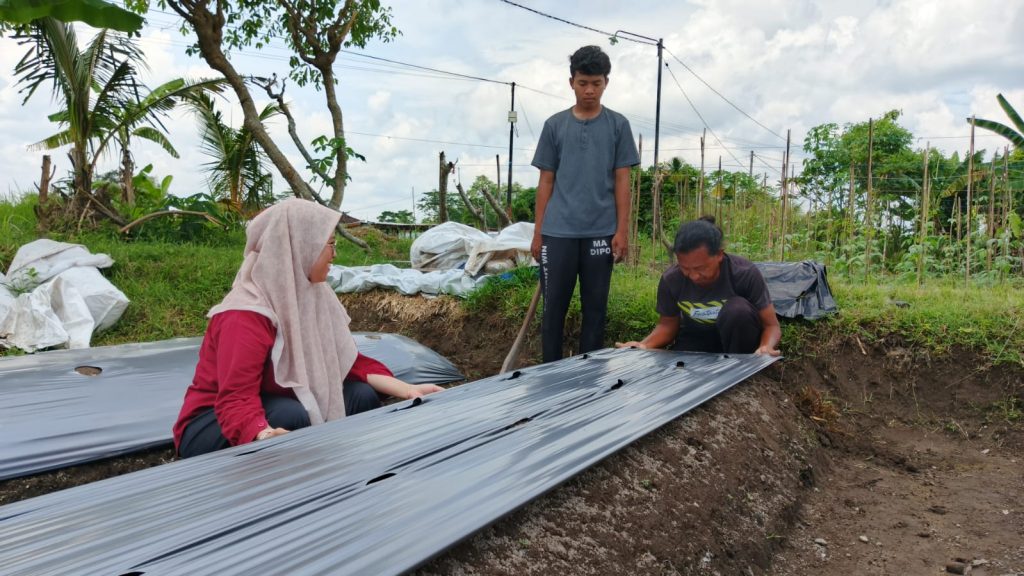
Through this approach, students can engage with the essential stages of applied research: observing developments, recording findings, analyzing results and evaluating strategies. These experiences are expected to strengthen critical thinking, problem-solving skills and an entrepreneurial mindset.
The project also reflects a broader institutional vision in which education is not confined to classroom instruction. Instead, laboratories become spaces where knowledge is tested, ideas are developed and practical competencies are cultivated.
While economic returns remain an important consideration, the project’s longer-term value lies in its potential to foster innovation, self-reliance and a culture of continuous improvement within the madrasah.
For MADIPO, the real harvest is not measured solely in kilograms of chilies, but also in knowledge, innovation, character and the capacity to build a more independent educational institution.Bj
